Serving Pinellas County
Whitefly, ant and termite help for Pinellas County homes
Sticky leaves on the gumbo limbo, black film on the car, a ficus hedge dropping its leaves. Pinellas County yards fight whiteflies year after year, and the coastal homes carry drywood termites as well.
- Phones answered 24/7
- Office on East Busch Blvd, Tampa
- Area
- Pinellas County
- County
- Pinellas County
- Office
- East Busch Blvd, north Tampa
- Phones
- Answered 24/7
Pinellas County calls us most about whiteflies on hedges and palms, then drywood termites in coastal homes. UF/IFAS extension staff there reported rugose spiraling whitefly spreading countywide, and ficus whitefly was confirmed in the county in August 2009. Expect us to check the undersides of leaves, the sooty mold and the house trim before we suggest a treatment.
Local conditions
Whiteflies, sooty mold and coastal termites in Pinellas
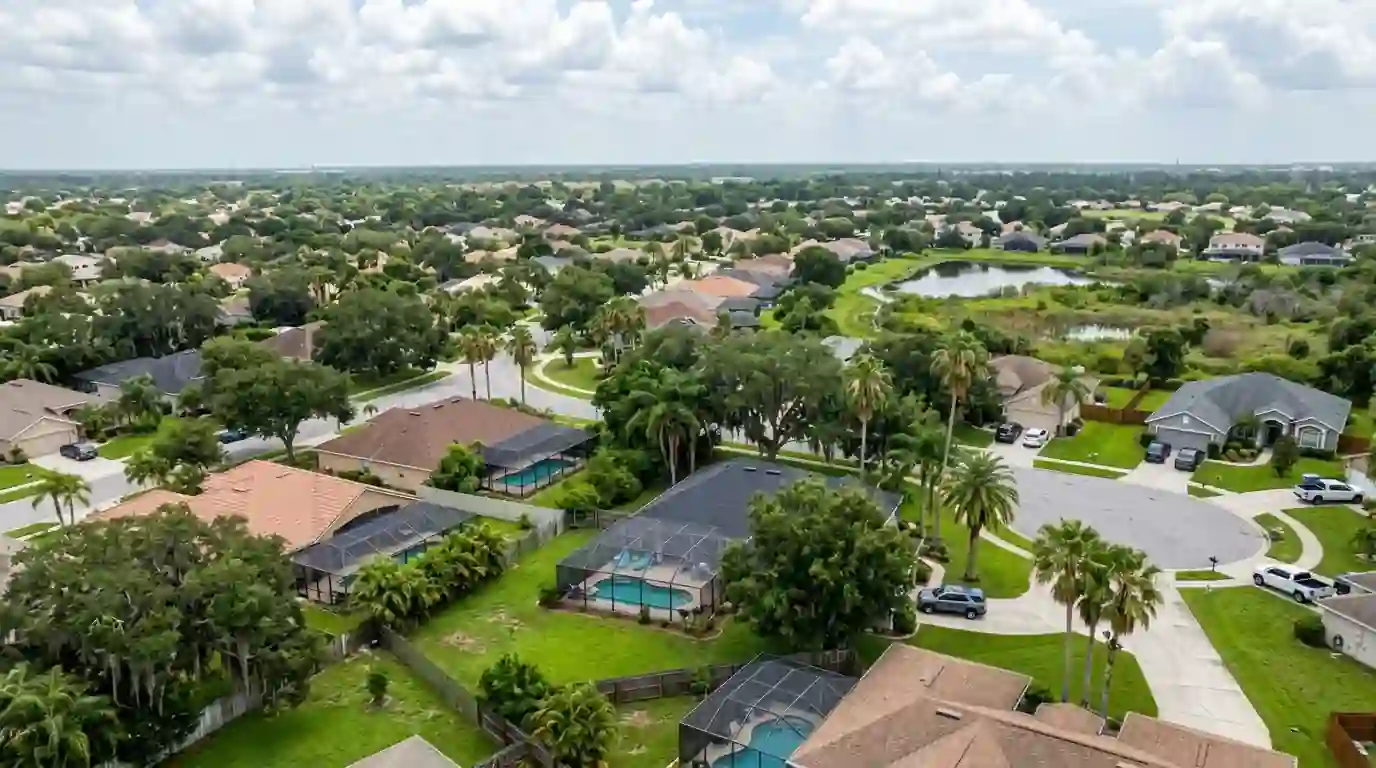
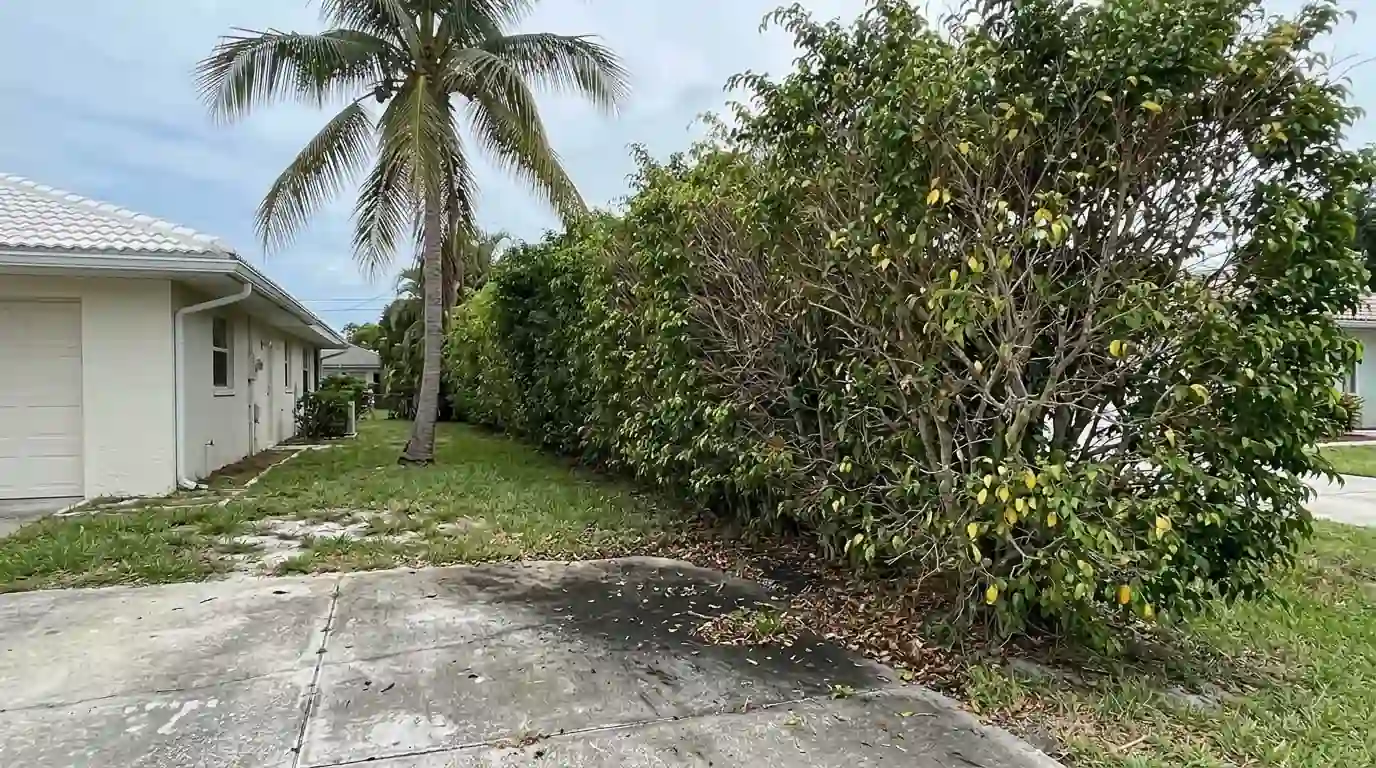
Pinellas County counted 959,107 residents in the 2020 census, living on a peninsula full of hedged yards, palms and shade trees. Whiteflies take full advantage of that planting. Ficus whitefly reached Florida in 2007 and was confirmed in Pinellas in August 2009, and it strips Ficus benjamina hedges of their leaves. Rugose spiraling whitefly is the other species here. The county extension office reported it spreading countywide on gumbo limbo, coconut palm, live oak and other hosts, leaving honeydew and the black sooty mold that coats cars, pavers and pool decks underneath.
Drywood termites are the other Pinellas regular. The West Indian drywood termite has spread along Florida's coasts and is worst in older buildings, and it lives entirely inside dry wood with no soil contact, so the first sign is usually a small pile of six-sided pellets under a sill or cabinet. White-footed ants, collected in Pinellas as well as Hillsborough and Pasco, nest in palm fronds and attics and follow cables indoors. Dengue pressure was lighter here in 2026, with 7 local cases as of Sept. 18, but standing water still deserves attention.
Most called about
What Pinellas County yards and homes need most
Whitefly Control
Rugose spiraling and ficus whitefly on hedges, gumbo limbo and palms.
Palm Pest Treatment
Whitefly and scale on coconut and other palms, with the sooty mold below.
Drywood Termite Spot Treatment
Pellet piles under sills and cabinets in older coastal homes.
Termite Tenting
Drywood colonies spread through attic framing and walls.
Ant Control
White-footed ants trailing in along cables from palm fronds.
Shrub & Ornamental Pest Control
Scale, aphids and mites on hedges and foundation shrubs.
Getting to you
Getting to Pinellas from north Tampa
Pinellas visits run across the bay from the office on East Busch Boulevard in north Tampa. We schedule them by address, so tell us on the call where in the county you are and whether the problem is in the yard, the house or both. The phone is answered 24/7, and you hear the price before any work starts.
Call (813) 471-5363Questions
Pinellas County pest questions
What people in Pinellas County ask us on the phone.
Ask us on the phoneThat is sooty mold growing on honeydew from whiteflies feeding above. Treating the whiteflies stops the honeydew, and the mold weathers or washes off afterward.
Often it does once the whitefly is controlled, though badly hit hedges can lose branches. We look at the stems before telling you what to expect.
Yes. Drywood termites have spread along Florida's coasts and do the most damage in older buildings, so a look at attics, trim and furniture is worth it.
They do not sting. The trouble is numbers, since colonies can run into the millions, and they need baits rather than sprays.
Usually. We treat the host plants that carry the whiteflies, such as the ficus, gumbo limbo or palm, and tell you how long to keep pets away while it dries.
Talk to a technician
Pests in Pinellas County? Call now.
Tell us what you found and where. We will tell you what it probably is and when a technician can be there.