Answering 24/7 in Tampa, FL
Pest, termite and lawn pest control in Tampa, FL
Roaches under the sink, wings on the windowsill, or yellow patches spreading across the St. Augustine? We treat the house, the wood inside it and the lawn around it, working from our office on East Busch Boulevard in north Tampa.
- Phones answered 24/7
- House, termite and lawn work
- Office on East Busch Blvd
Who to call for pest control in Tampa
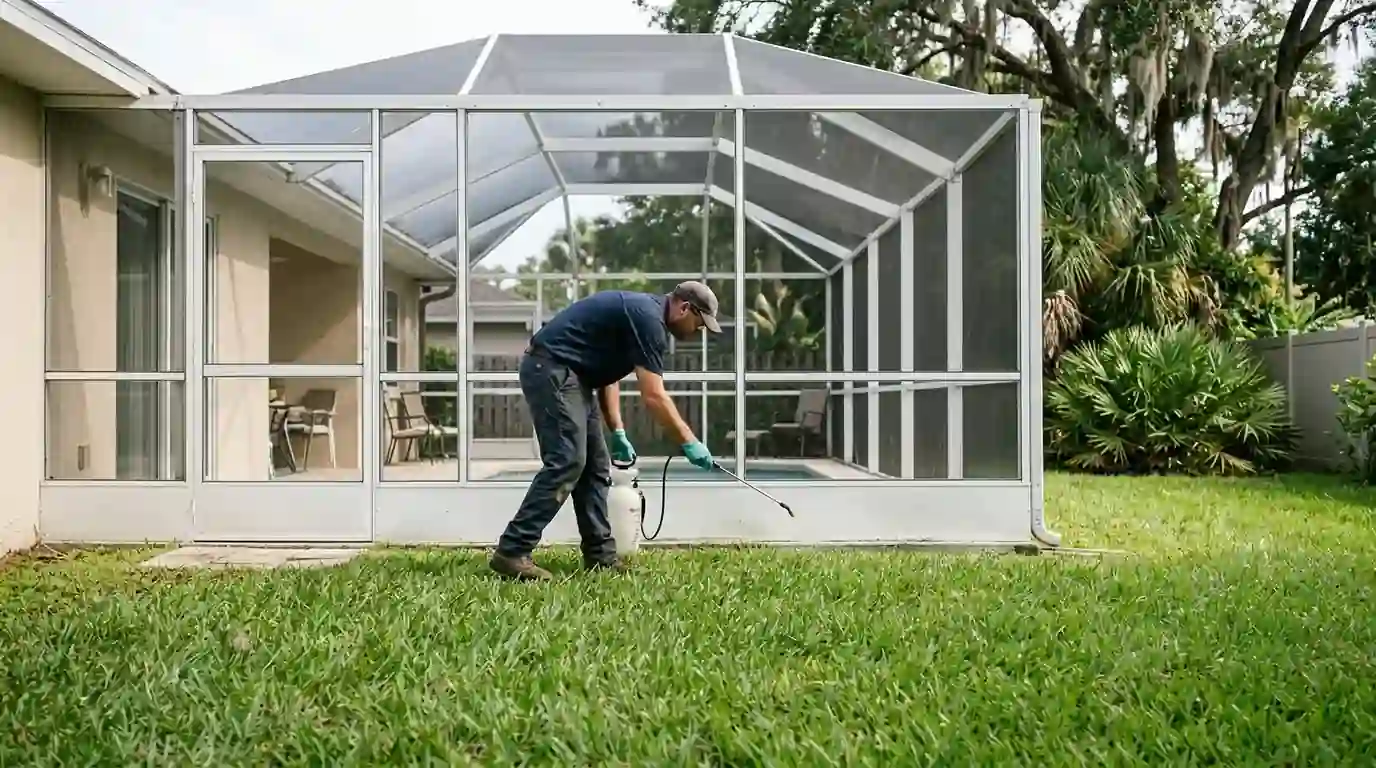
Tampa homes need pest control that covers the house, the wood and the lawn, because Florida has about 20 established termite species and chinch bugs stay active in St. Augustine lawns through the winter. At Tampa Lawn and Pest Control we answer the phone around the clock, inspect before we treat, and match the method to the pest, from gel bait for German roaches to tenting for drywood termites.
Good to have ready when you call
- Where you saw it: kitchen, attic, windowsill, slab edge or lawn
- When it started and whether it is spreading
- Pets, a pool, a pond or a vegetable bed close by
- For a home sale, the closing date and who ordered the WDO report
Where the problem is
In the house
Palmetto bugs from the mulch, German roaches in the kitchen, ghost ant trails, bed bugs and fleas.
In the wood
Drywood pellets under a sill, mud tubes on the slab edge, swarmers at a window, or a WDO report for a sale.
In the lawn and yard
Yellow St. Augustine patches, fire ant mounds, whitefly on the ficus hedge and mosquitoes by the pool.
Product names Tampa homeowners ask us about, from termite systems to lawn insect controls:
Everything we treat
Lawn and pest services, grouped by where the problem lives
40 services in six groups. Each page explains the work, what it looks like in Tampa homes, and the cost ranges published for our market.
Home & Business Pest Control
12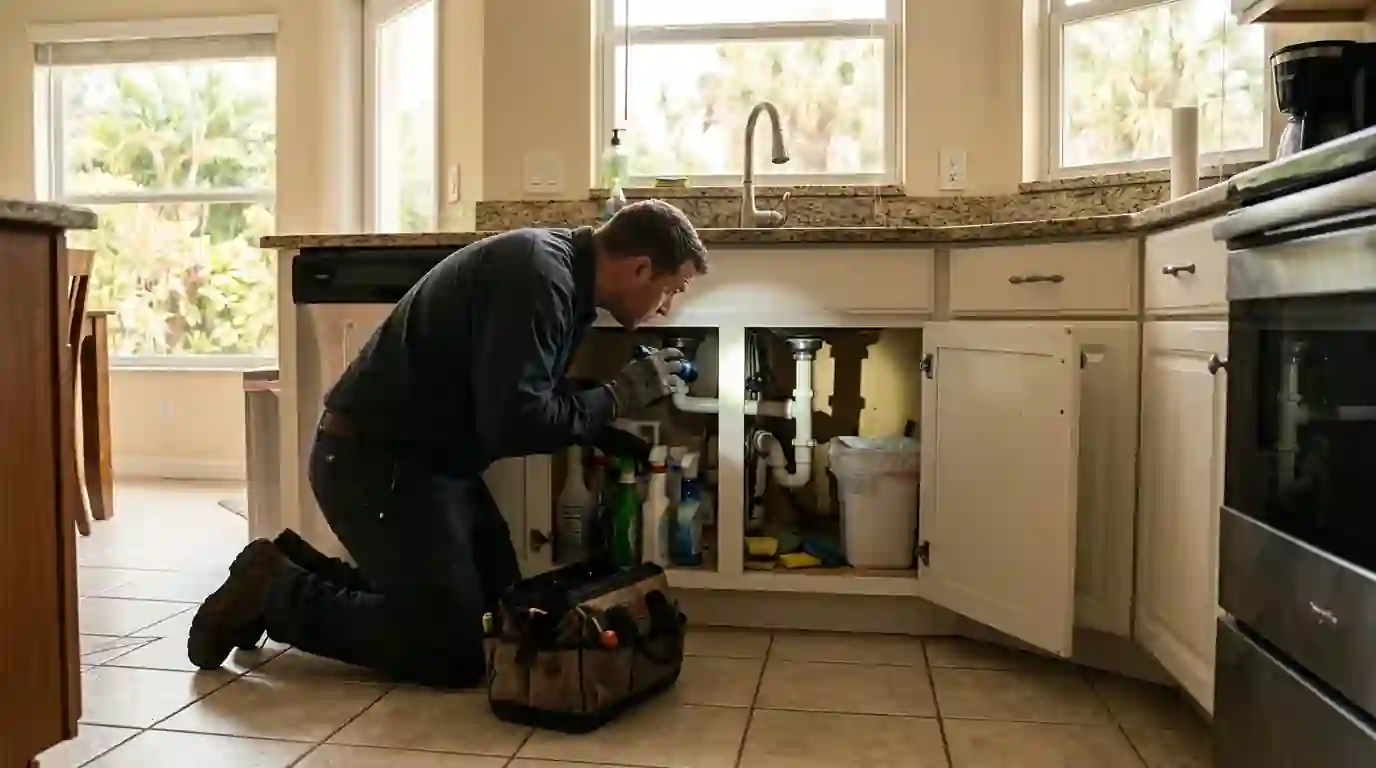
Kitchen roaches, ghost ant trails, webs on the eaves, and the restaurants and apartment buildings that need a written log.
All 12 in home & business pest controlTermites & Wood Pests
8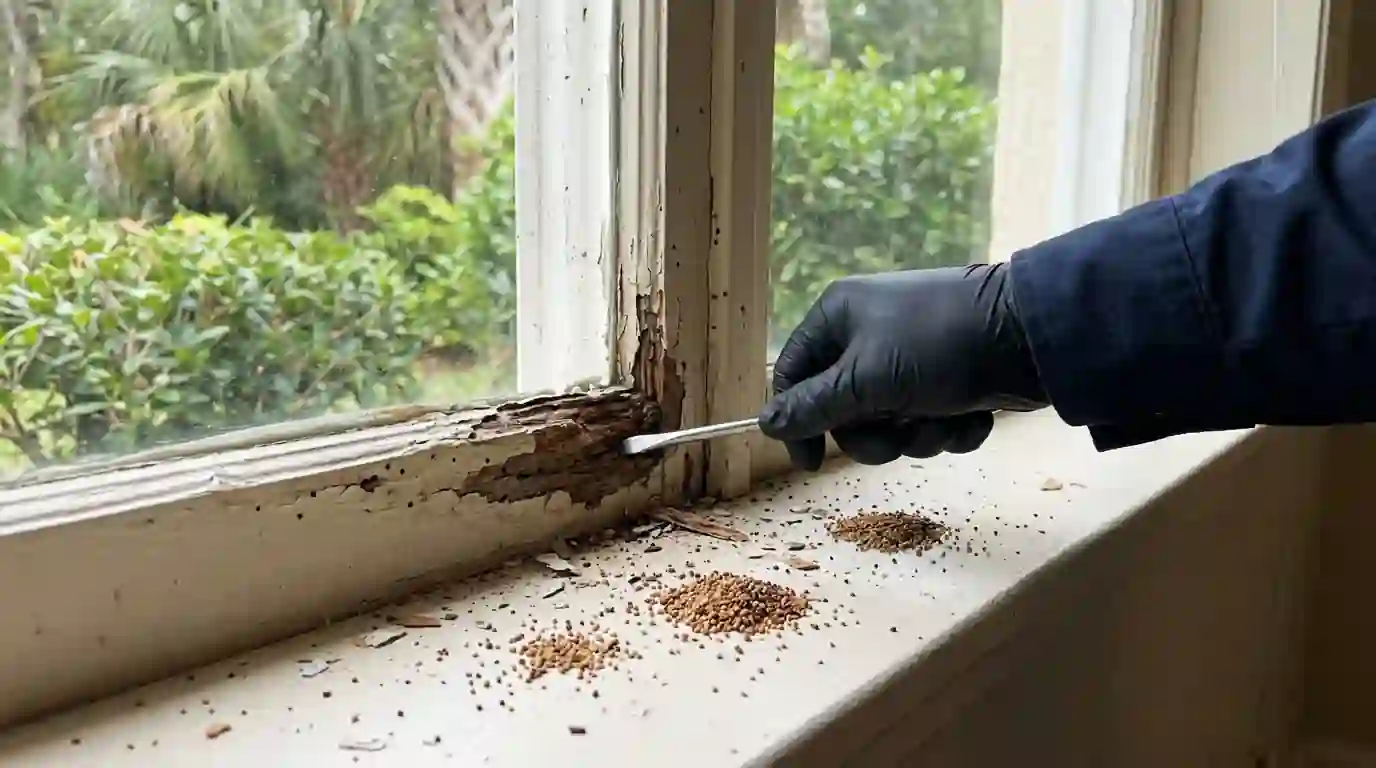
Inspections, tenting for drywood colonies, Termidor-style liquid and Sentricon-style bait work for the subterranean kinds, and WDO reports.
- Termite Tenting
- Subterranean Termite Treatment
- Termite Inspection
- Termite Bait Stations
- Drywood Termite Spot Treatment
Bed Bugs, Mosquitoes & Stingers
4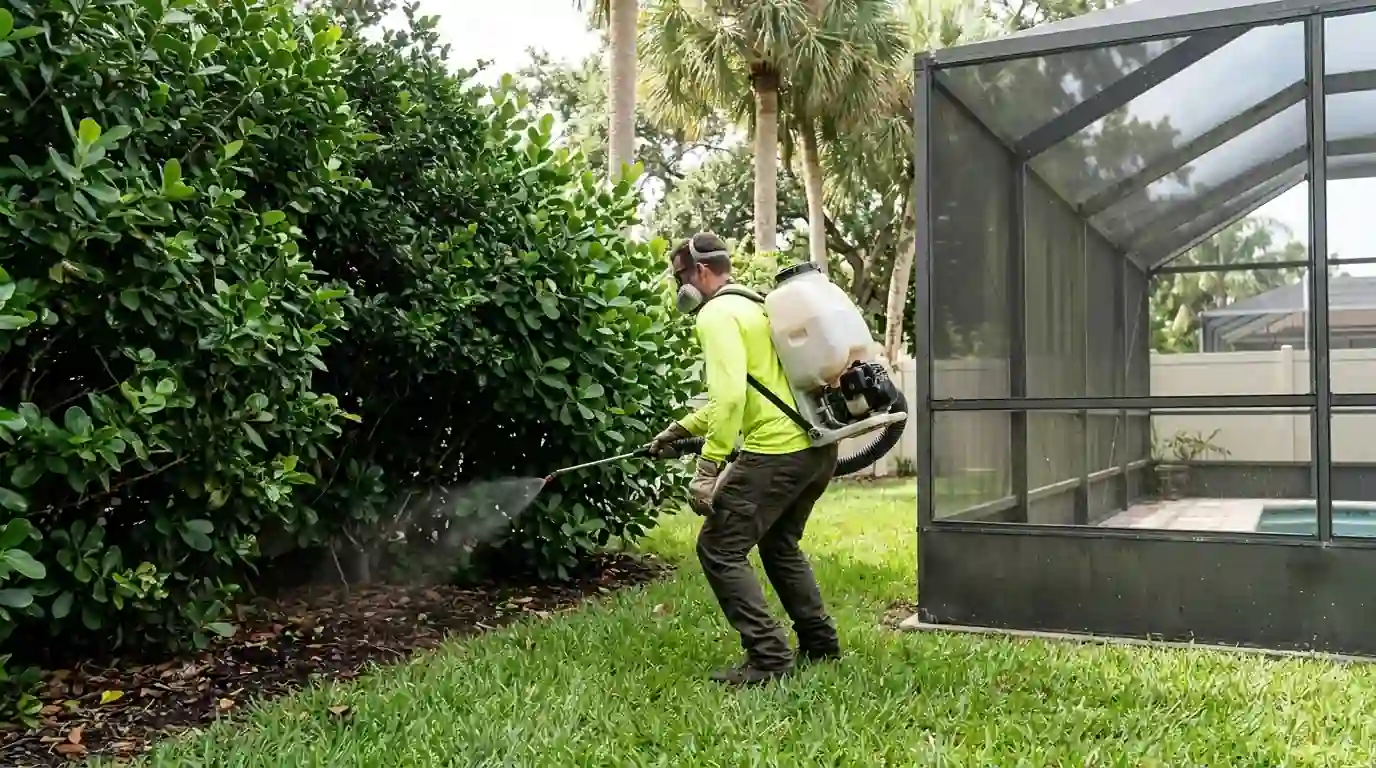
Bed bugs, mosquitoes through the rainy season, and wasp or bee nests close to a door.
More about bed bugs, mosquitoes & stingersRodents & Wildlife
5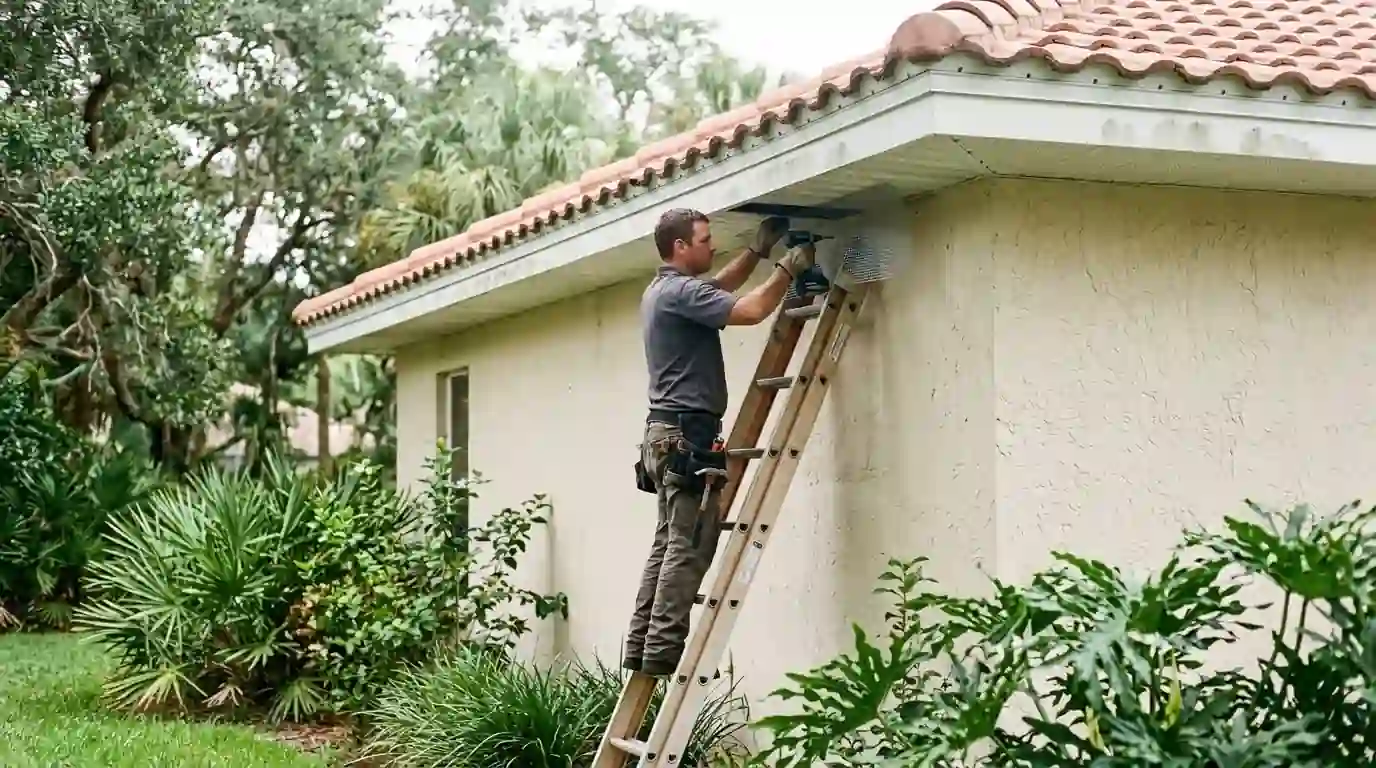
Roof rats in the attic, the gaps they use, the cleanup after them, and the raccoons, squirrels and bats that move in.
More about rodents & wildlifeLawn Pest & Weed Care
7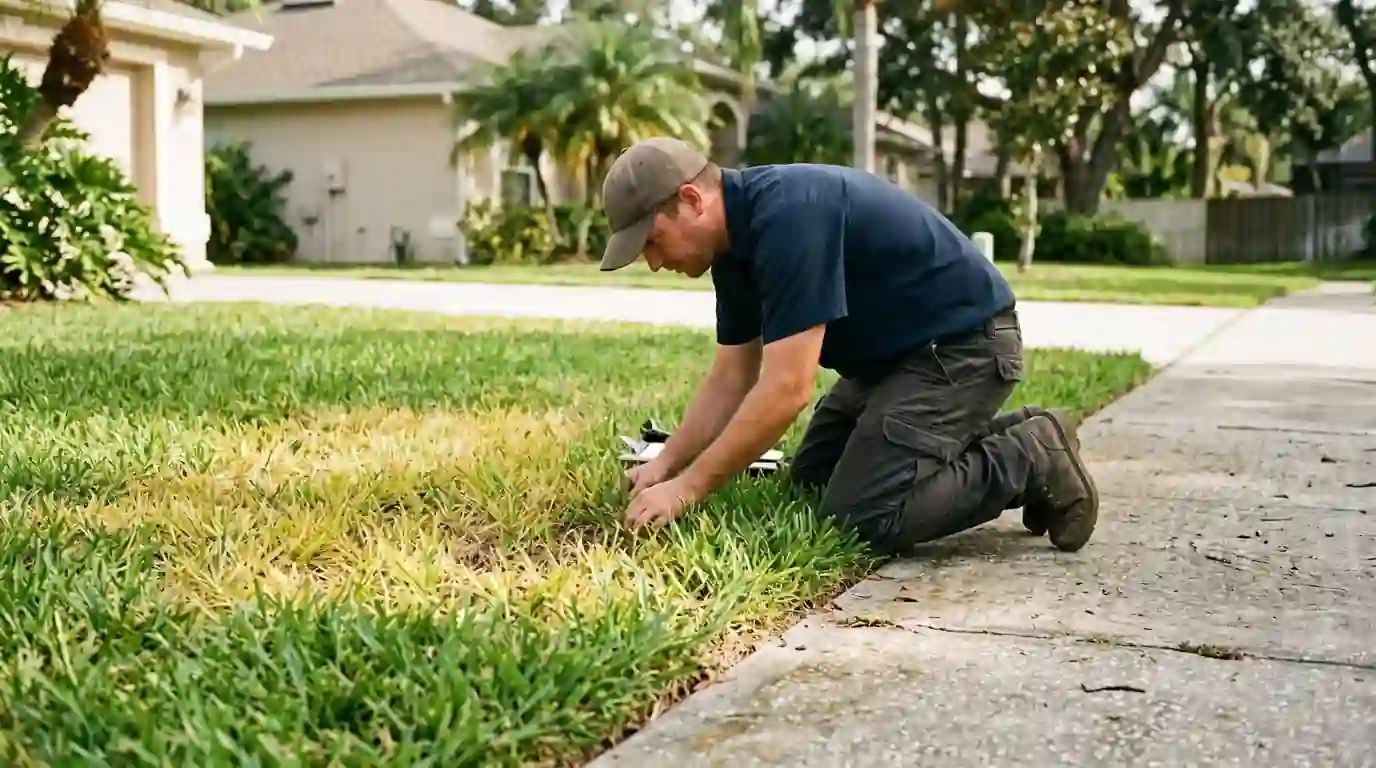
Chinch bugs, sod webworms, mole crickets, fire ants, weeds, lawn disease and feeding outside the summer blackout.
All 7 in lawn pest & weed careShrubs, Palms & Outdoor Living
4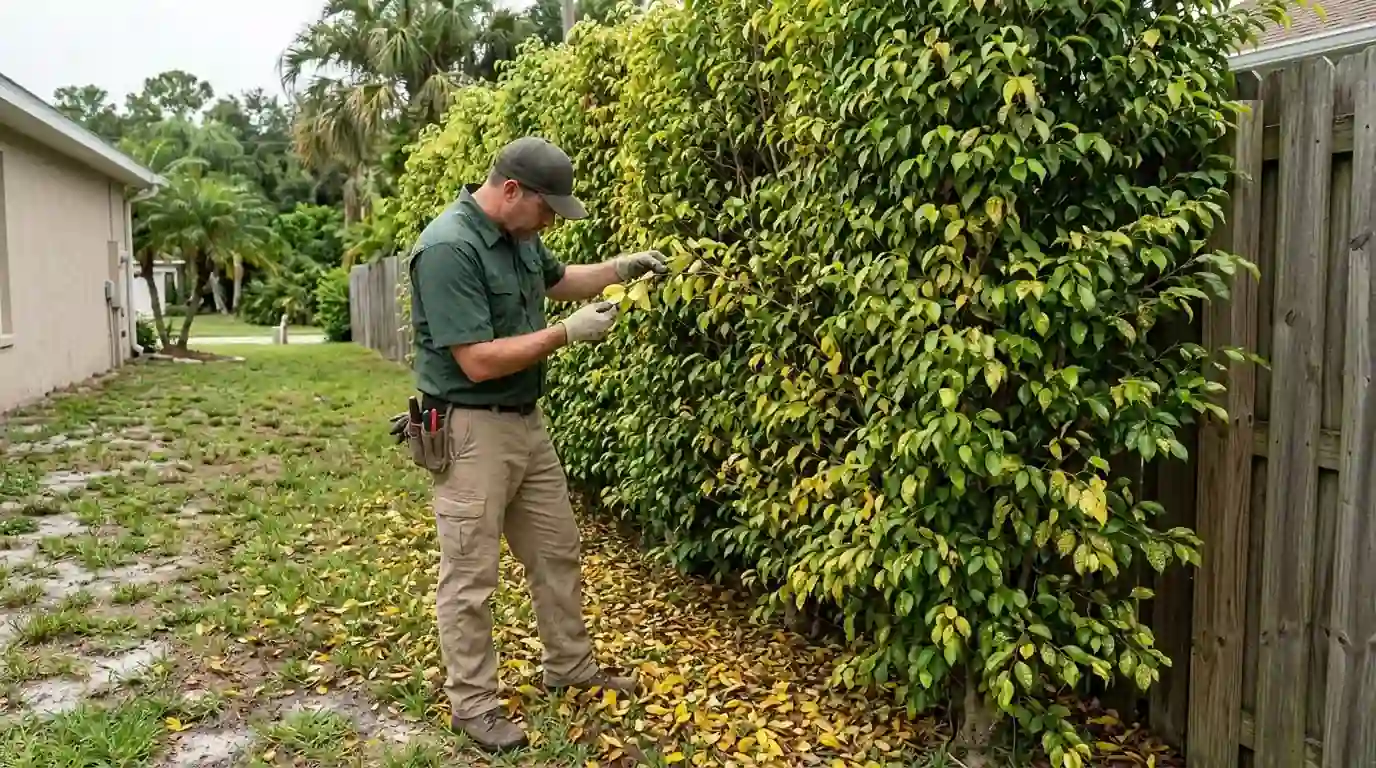
Whitefly on ficus hedges, scale on palms and shrubs, and the webs and wasp nests on screened lanais.
More about shrubs, palms & outdoor livingTampa pest calendar
What is active in Tampa, month by month
Termite swarm windows, lawn insect seasons and the rainy months, built from UF/IFAS and weather records. The highlighted column is October.
| Pest or rule | Jan | Feb | Mar | Apr | May | Jun | Jul | Aug | Sep | Oct | Nov | Dec |
|---|---|---|---|---|---|---|---|---|---|---|---|---|
| Eastern subterranean termite flightsWarm afternoons after rain | Jan active | Feb active | Mar active | Apr active | ||||||||
| Asian subterranean termite swarmsAround sunset on warm days | Mar peak | |||||||||||
| Drywood termite swarmsPellets can show up any month | Mar active | Apr peak | May peak | Jun peak | ||||||||
| Formosan termite swarmsJust after sunset, toward lights | Apr active | May peak | Jun active | |||||||||
| Chinch bug damageActive through winter, peaks in early July | Jan active | Feb active | Mar active | Apr active | May active | Jun active | Jul peak | Aug active | Sep active | Oct active | Nov active | Dec active |
| Sod webworm feedingSpring through fall, at night | Mar active | Apr active | May active | Jun active | Jul active | Aug active | Sep active | Oct active | Nov active | |||
| Mole cricket damageBahia and bermuda lawns | Mar active | Apr active | May active | Jun active | Aug active | Sep active | Oct active | |||||
| Rainy season, mosquito breedingLate May into October, wettest June to September | May active | Jun peak | Jul peak | Aug peak | Sep peak | Oct active | ||||||
| Fertilizer blackoutTampa rule, June 1 to September 30 | Jun no fertilizer | Jul no fertilizer | Aug no fertilizer | Sep no fertilizer |
- Active
- Peak
- No lawn fertilizer (city rule)
Sources: UF/IFAS termite season, UF/IFAS Formosan termite, UF/IFAS eastern subterranean, UF/IFAS chinch bug, UF/IFAS sod webworm, UF/IFAS mole crickets, Tampa Bay climate, Tampa fertilizer rule.
Why Tampa stays busy
Heat, rain and old wood keep Tampa pests going
Tampa averages 49.48 inches of rain a year under the National Weather Service's 1991 to 2020 normals, and August is the wettest month at just over nine inches. The rainy season runs from late May through October, with afternoon storms most days. That rain fills plant saucers, clogged gutters and bird baths, which is why mosquito pressure climbs in June and stays high into the fall.
The housing matters too. Half of Hillsborough County's homes were built in 1991 or earlier, and about one in six went up before 1970. In Seminole Heights, many homes are craftsman bungalows from the 1910s and 1920s boom, with wood framing, trim and porches that drywood termites have had a century to find. Drywood colonies live entirely inside the wood, so the usual fix is a tent fumigation with sulfuryl fluoride, sold under names such as Vikane, or a targeted spot treatment, never a soil barrier.
South Tampa has its own problem. In March 2023, UF/IFAS confirmed that Asian subterranean termites are established in South Tampa, the northernmost known infestation of that species in Florida, found after local pest companies sent in samples. Those colonies can hollow out large healthy trees as well as structures, which is why we look at the yard trees on a termite inspection there.
Mosquitoes have been the story of 2026. By September 18, Hillsborough had about 134 locally reported dengue cases, and in early October the county was still running aerial treatments over neighborhoods including Temple Terrace and the I-75 corridor. County spraying knocks down adults; the containers in your own yard are where the next batch hatches.
How a visit runs
What happens after you call
- 1
We pick up
Someone answers at any hour. We ask what you are seeing, where, and since when, then book the first open slot.
- 2
We look before we treat
The technician finds where the pest lives and how it gets in: pellets, mud tubes, droppings, trails or damaged turf.
- 3
You hear the plan
You get the method, the product name if you want it, what to keep pets away from, and the price before work starts.
- 4
We treat
Inside, outside, in the wall void, across the lawn or under a tent, depending on what the inspection showed.
- 5
We check the result
Baits, monitors and lawn patches get a follow-up look, and you know what to watch for between visits.
How we work
How we handle the jobs Tampa homes call about
Inspection first
A spray without an inspection treats the symptom. We look for the entry point, the nest or the moisture source first.
House and lawn on one schedule
When you need both, the house perimeter, the lanai cage and the lawn can be handled on the same visit schedule.
Straight talk about tenting
If a spot treatment will reach a small drywood colony, we say so. If the colony runs through the framing, we explain why tenting is the fix.
Pets, pools and gardens
We ask about pets, fish ponds, pools and vegetable beds before we choose a product or a place to set bait.
Where we work
Tampa neighborhoods and the towns around them
Our office is on East Busch Boulevard in north Tampa. Each page covers what we tend to find in that part of the bay area and the services people there call about most. See every service area.
Tampa neighborhoods 12
Cities nearby 12
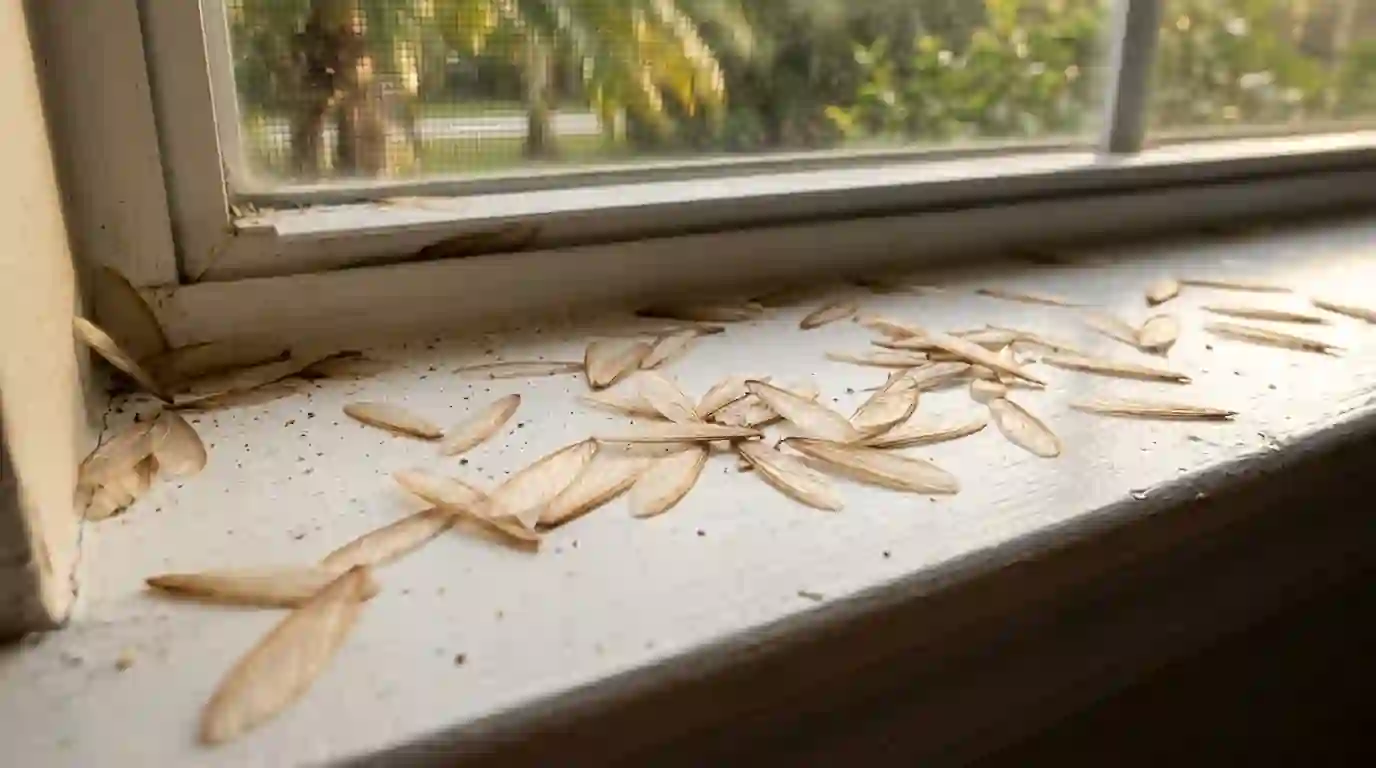
What Termite Tenting Costs in Tampa, FL
Published Florida ranges, what moves the price, and what the prep day involves.
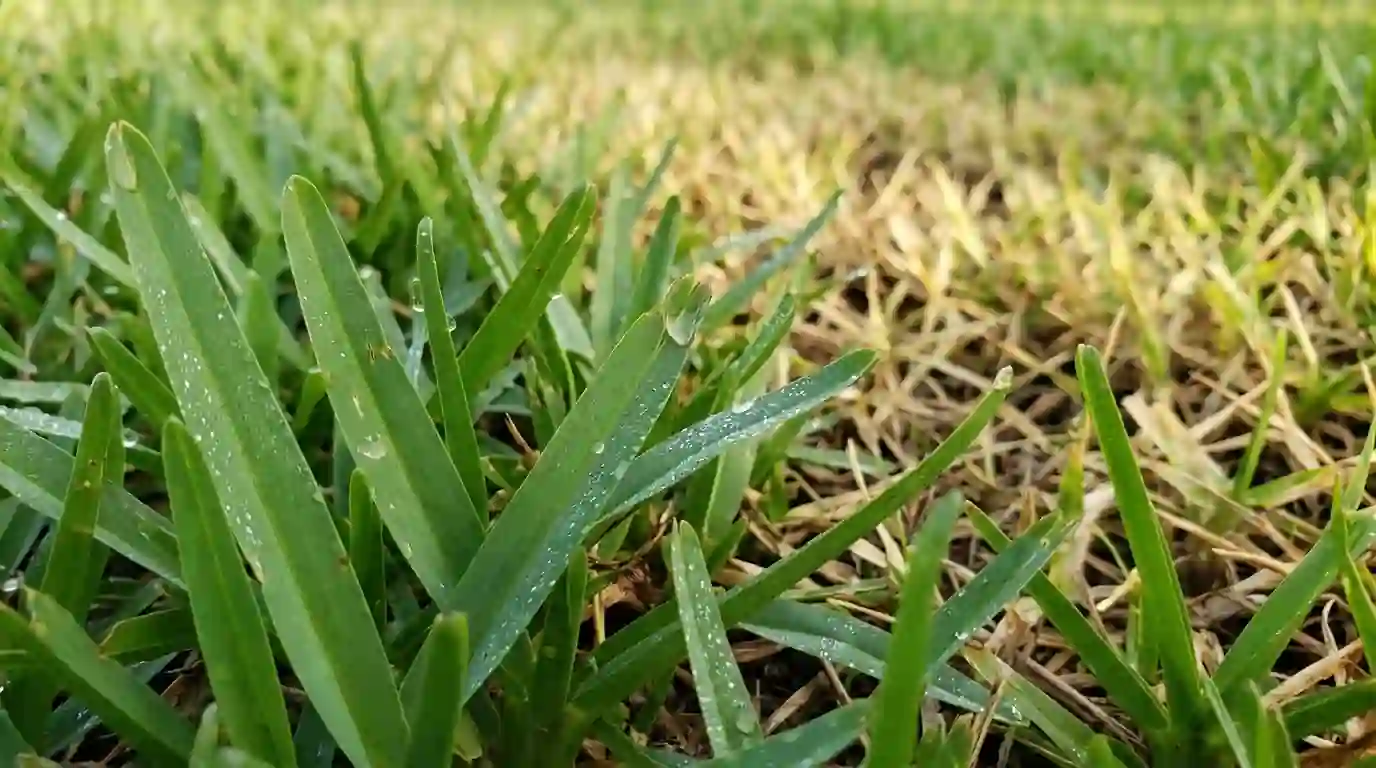
Chinch Bugs in Tampa St. Augustine Lawns
How to tell chinch bug damage from drought, and why resistance changes the treatment.
Mosquitoes and Dengue in Hillsborough: Yard Steps That Help
What the county does, what it cannot reach, and the containers to empty twice a week.
Questions we get
Tampa pest control questions, answered
Short answers to what people ask on the phone. Anything else, call and ask.
Ask us on the phonePublished Florida figures put a one-time general pest treatment at about $150 to $400, and a quarterly plan for a 2,000 square foot Tampa home at about $400 to $800 a year. The size of the house, the pest and how far it has spread move the number, and you hear our price before any work starts.
Yes. Chinch bugs, sod webworms, mole crickets, fire ants, weeds and lawn disease are part of the work, and lawn feeding is scheduled around Tampa's June 1 to September 30 fertilizer blackout.
Not always. Whole-structure fumigation is the main control when drywood termites are spread through the framing, but a small colony in a door frame or a piece of trim can often be spot treated. The inspection decides which one fits your house.
The Florida WDO report on FDACS form 13645 covers termites, powder post beetles, old house borers and wood-decaying fungi in the areas that were visible and accessible. It lists what was blocked from view, and it is not a structural damage report.
The phone is answered 24 hours a day, every day of the year. When you call, we tell you when a technician can be there, and a wasp nest by the front door or a rat in the living space is not left waiting for a routine slot.
Clear access to under the sinks, the attic hatch, the garage walls and the yard edges, and keep pets inside. Skip the store-bought spray on ant trails or swarmers the day before, because it scatters them and hides where they came from.
Yes. Hillsborough County runs its own mosquito control program, and our yard treatments work alongside it by treating the shady spots where adults rest. The county also asks residents to empty and scrub water-holding containers at least twice a week, and we point those out on the visit.
Tampa and the surrounding parts of Hillsborough County, plus nearby towns in Pinellas and Pasco counties. The service areas page lists each place with what we see there.
Talk to a technician
Seeing something you do not like? Call now.
Tell us what you found and where. We will tell you what it probably is, what it takes to fix, and when a technician can be there.