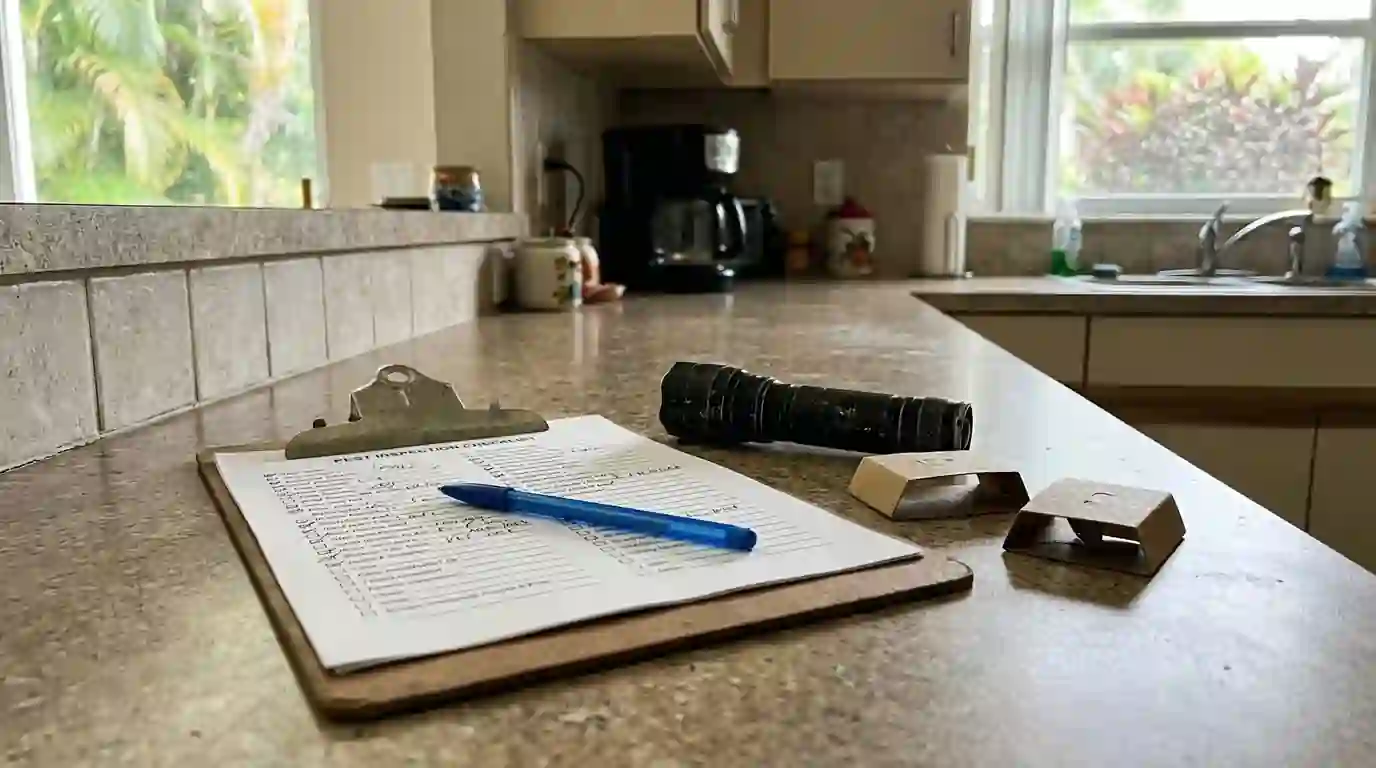
Termite tenting in Tampa typically costs $1,200 to $5,000 for a drywood fumigation, according to published Florida cost figures, with a typical 2,000 square foot home near the middle of that range. House volume, roof type, landscaping against the walls and attached units move the price. A small, reachable colony may only need a spot treatment instead.
The published price range for a Tampa tent
Florida cost guides put a whole-house drywood fumigation at $1,200 to $5,000, with an average around the middle of that range for a typical 2,000 square foot home. National figures run wider: Angi lists tenting at $1,500 to $8,000 for a whole house, with most jobs landing in the middle and per-square-foot pricing of one to four dollars for fumigation.
Those numbers are planning ranges, not quotes. They come from published guides that average many jobs, and your price depends on the structure in front of the crew. We give you a number after the inspection, and you hear it before anything is booked.
One thing the published figures do not show: a fumigation treats termites, not the damage they left. If the inspection turns up soft trim or a chewed sill, that repair is separate from the tent.
Why two houses on the same street cost different amounts
Fumigant is dosed by the volume of air inside the tarps, so a two-story house with vaulted ceilings needs more than a ranch of the same footprint. That is the biggest single driver.
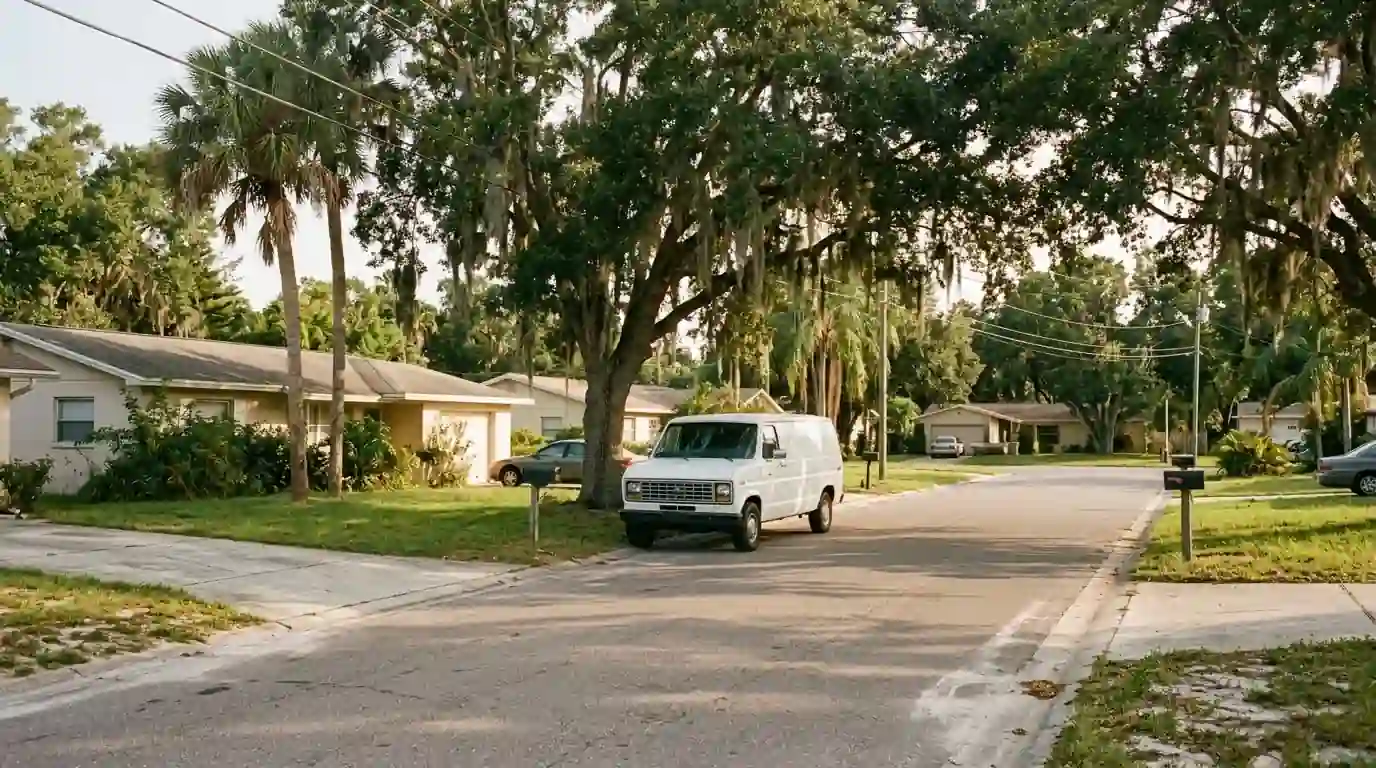
The roof comes next. Barrel tile and steep pitches take more time to cover safely than a low shingle roof, and the crew has to protect the tile as the tarps go over. Then there is the ground around the house: hedges, vines and trees touching the walls must be pulled back so the tarps seal at the base, and tight side yards or fences add labor.
Attached homes are priced by the building. Drywood colonies cross shared walls, so a townhome row is usually fumigated as a unit, and the association coordinates the dates.
Seeing this at your place? We answer the phone around the clock.
Call (813) 471-5363When a spot treatment is enough
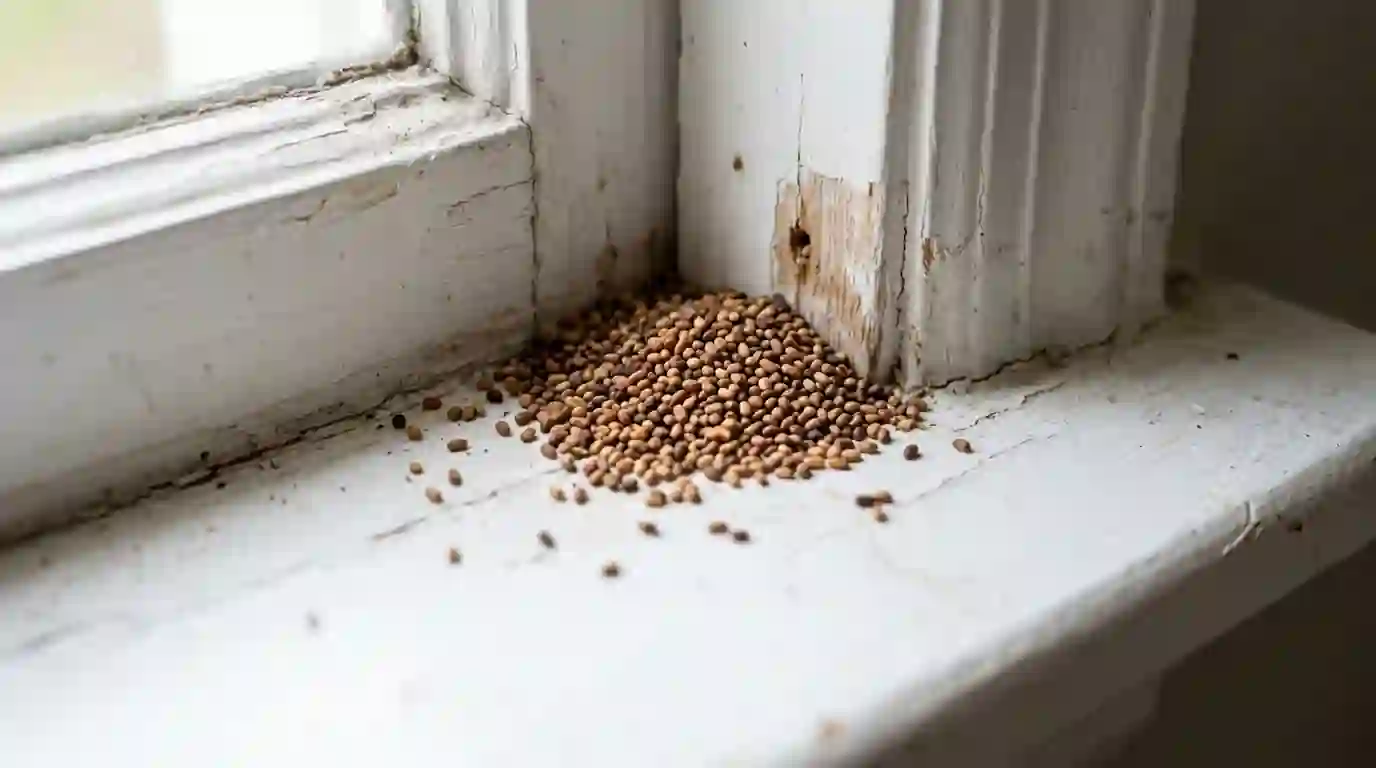
Tenting is the main control for drywood termites spread through a structure, but not every pellet pile means a tent. A colony confined to one door frame, a single window sill or a piece of furniture can often be drilled and injected directly, at a fraction of the cost and with no move-out.
The deciding question is reach. If pellets keep turning up in different rooms, or the attic framing is involved, a spot treatment will miss colonies you cannot see. If the activity is in one spot and the wood is accessible, start there. A good inspection should tell you plainly which one you have.
Why older Tampa houses come up so often
West Indian drywood termites are worst in older wood along Florida's coasts, and much of central Tampa was built a century ago. In Seminole Heights, the craftsman bungalows from the 1910s and 1920s boom have wood porches, trim and framing that colonies have had decades to reach.
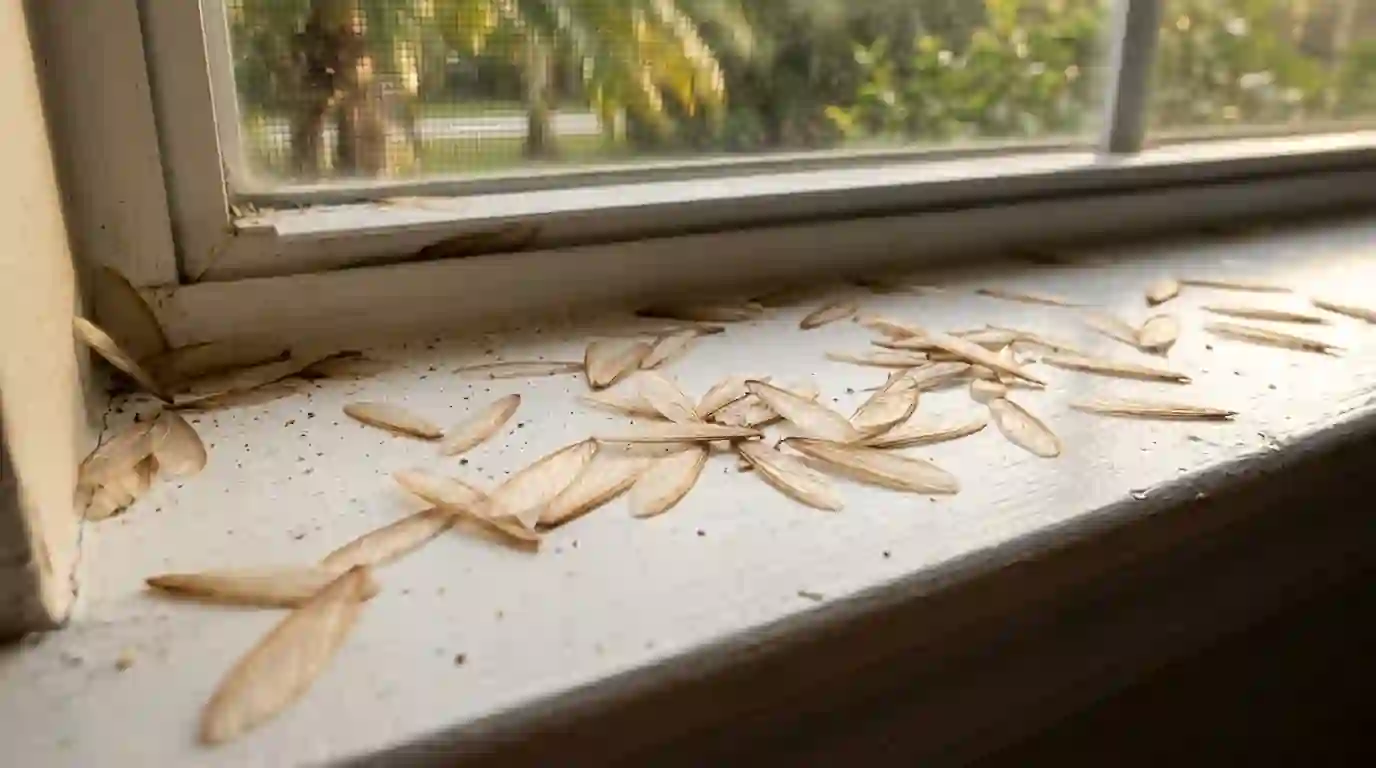
Swarm season is when most owners first notice. Drywood swarmers fly from March to June, and their droppings can show up any month around cabinets, windowsills and wood furniture. If you see wings on a sill in spring, save a few in a bag and call before you clean them up.
Questions to ask before you book a tent
Ask what the inspection found and where. You should hear which rooms showed pellets or kick-out holes, whether the attic framing is involved, and why a spot treatment would or would not reach it.
Ask what is included in the price. The fumigation itself, the tarps, the sealed food bags and the clearance readings belong in the number. Repairs to damaged wood, moving outdoor furniture and trimming hedges away from the walls may not, and it is better to know before the day.
Ask about the schedule in writing: when you need to be out, when the tarps go on, and when you can go back in. Ask what happens to anything left in the fridge or freezer, and whether gas service needs to be shut off.
Finally, ask what to watch for afterward. Pellets that were already in the walls can keep dropping for a while, so a few on the floor after the job do not mean it failed. New pellets in a fresh spot months later are worth a call.
What the prep day involves
Most of the homeowner's work happens before the tarps go on. Food, medicine and anything you put in your mouth leaves the house or goes into sealed bags supplied for the job. Pets, fish and houseplants leave too.
Interior doors, cabinets and drawers are opened so the fumigant reaches every space, and the soil along the foundation is watered the day before so the tarps seal at the base. Plan on being out of the house for roughly two to three days; the exact move-out and re-entry times are set when the job is booked, and nobody goes back in until clearance readings are taken.