Serving St. Petersburg
Termite tenting and ficus whitefly help in St. Petersburg
Pellets on the windowsill of an older house, a ficus hedge suddenly bare along the property line. St. Petersburg homeowners call about drywood termites and whitefly more than anything else, and both start with an inspection.
- Phones answered 24/7
- Office on East Busch Blvd, Tampa
- Area
- St. Petersburg
- County
- Pinellas County
- Office
- East Busch Blvd, north Tampa
- Phones
- Answered 24/7
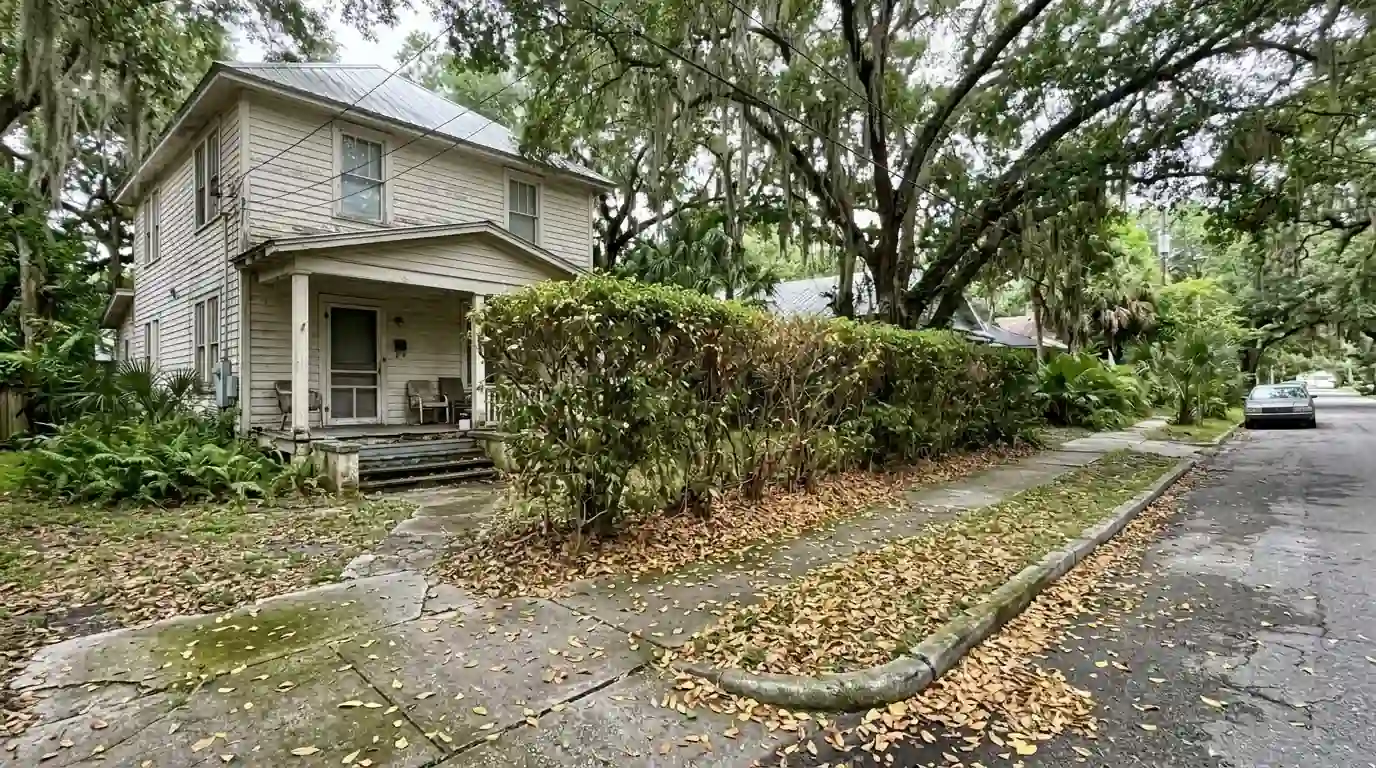
St. Petersburg homes, especially older ones near the coast, are classic drywood termite territory, and tenting is the answer when a colony runs through the framing. Ficus whitefly is the yard problem, confirmed in Pinellas County in August 2009. It strips Ficus benjamina hedges, so we check the leaves and stems before recommending treatment.
Local conditions
Drywood termites and ficus hedges in St. Petersburg
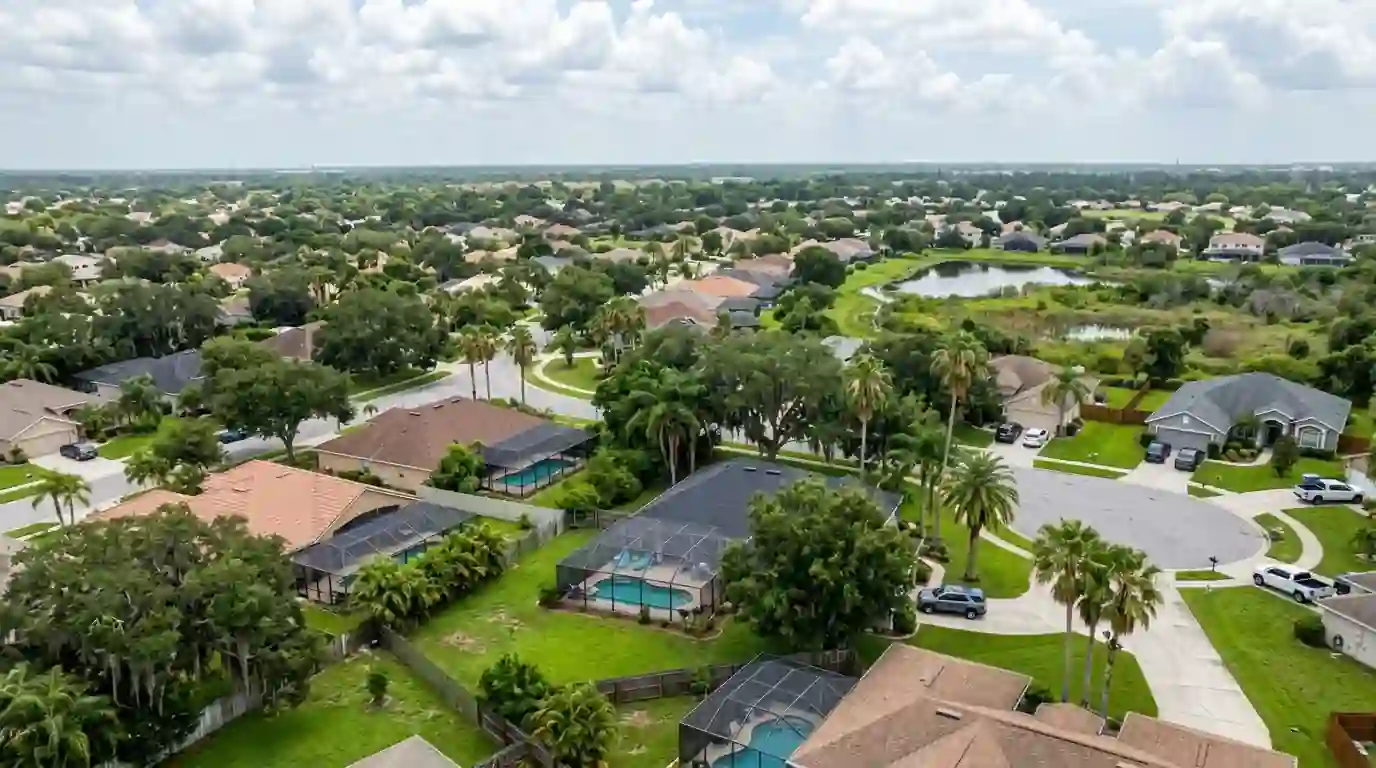
St. Petersburg counted 258,308 residents in the 2020 census, more than twice Clearwater's count. Much of the city sits close to the water, and the West Indian drywood termite has spread along Florida's coasts and is worst in older buildings. It lives entirely inside dry wood, with no soil contact. Nearly all whole-structure fumigation in Florida targets this species: the house is covered with gas-tight tarps and sulfuryl fluoride is released. Smaller, reachable colonies may only need a spot treatment, and we tell you which applies once we have looked.
Hedges are the other story. Ficus whitefly reached Florida in 2007 and was confirmed in Pinellas County in August 2009. It attacks at least 11 Ficus species, prefers Ficus benjamina, which is widely planted as hedges, and causes severe leaf drop, branch dieback and sometimes plant death. Rugose spiraling whitefly has spread countywide too, according to UF/IFAS Pinellas Extension, on gumbo limbo, coconut palm and live oak, leaving honeydew and sooty mold. A bare ficus hedge can often recover once the whitefly is controlled, so we check the stems before you pull it out.
Most called about
What St. Petersburg homes call us about
Termite Tenting
Drywood colonies spread through the framing of older coastal homes.
Drywood Termite Spot Treatment
A single colony in a door frame, sill or piece of furniture.
Whitefly Control
Ficus whitefly stripping hedges and rugose whitefly on palms and oaks.
Shrub & Ornamental Pest Control
Scale, mealybugs and mites on foundation plantings.
Termite Inspection
A full check of attic, trim and furniture before a renovation or sale.
Palmetto Bug Control
Big roaches coming in from mulch, palms and garages.
Getting to you
Booking a St. Petersburg inspection
St. Petersburg jobs are scheduled from the office on East Busch Boulevard in north Tampa, across the bay. If you are weighing tenting, ask on the call what preparation the house needs, and we will walk you through it before a date is set. Calls are answered 24/7, and you hear the price before any work begins.
Call (813) 471-5363Questions
St. Petersburg termite and whitefly questions
What people in St. Petersburg ask us on the phone.
Ask us on the phoneOnly if the drywood colony runs through the framing or attic, or there are several colonies. A single reachable colony can often be spot treated.
Tiny six-sided pellets, often in a small pile under a sill, cabinet or piece of furniture, pushed out of holes 1 to 2 mm wide.
Not necessarily. Ficus whitefly causes heavy leaf drop, and many hedges regrow once it is controlled. We check the stems for life first.
Mostly from April to June. Finding wings on a windowsill in those months is a good reason to call for an inspection.
Yes. Let your neighbor know, since whitefly moves between plants, and we will tell you both how long to keep pets away.
Talk to a technician
Pests in St. Petersburg? Call now.
Tell us what you found and where. We will tell you what it probably is and when a technician can be there.