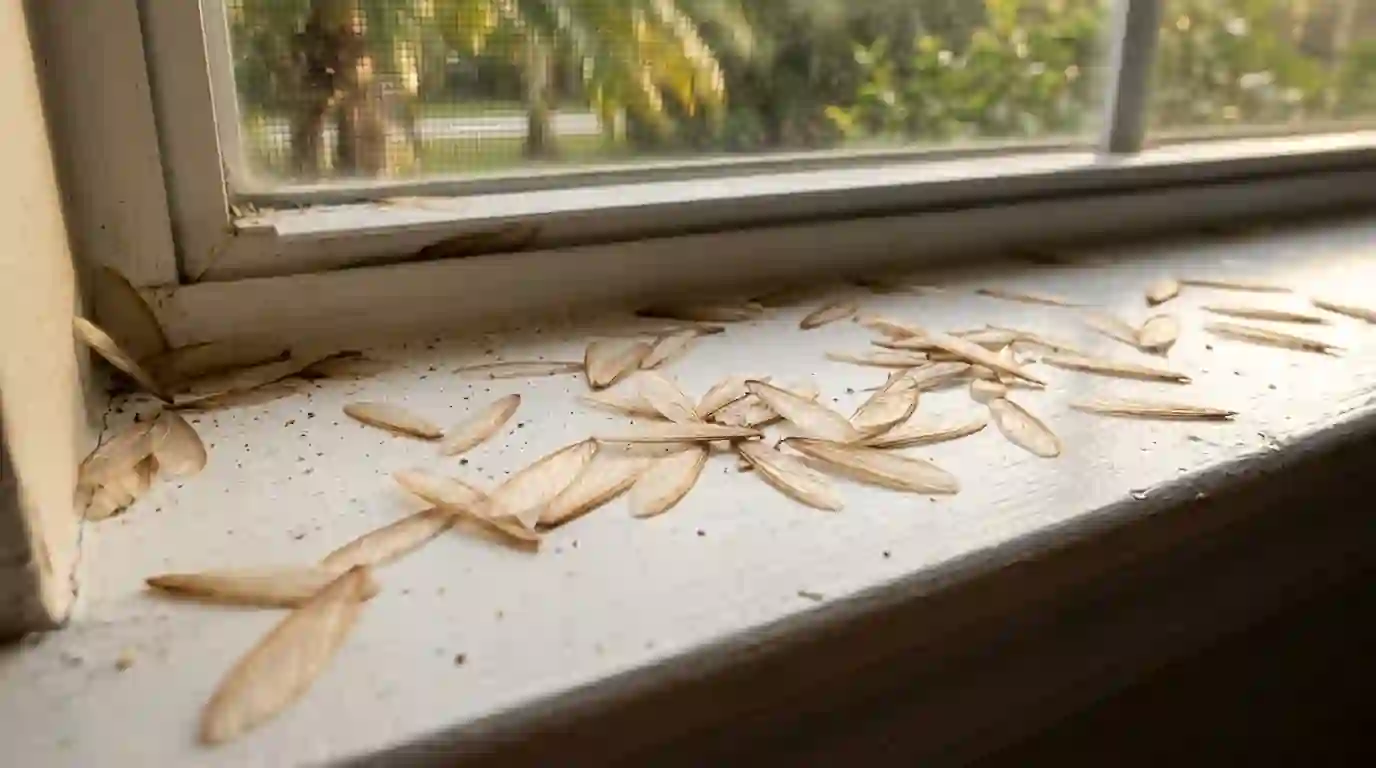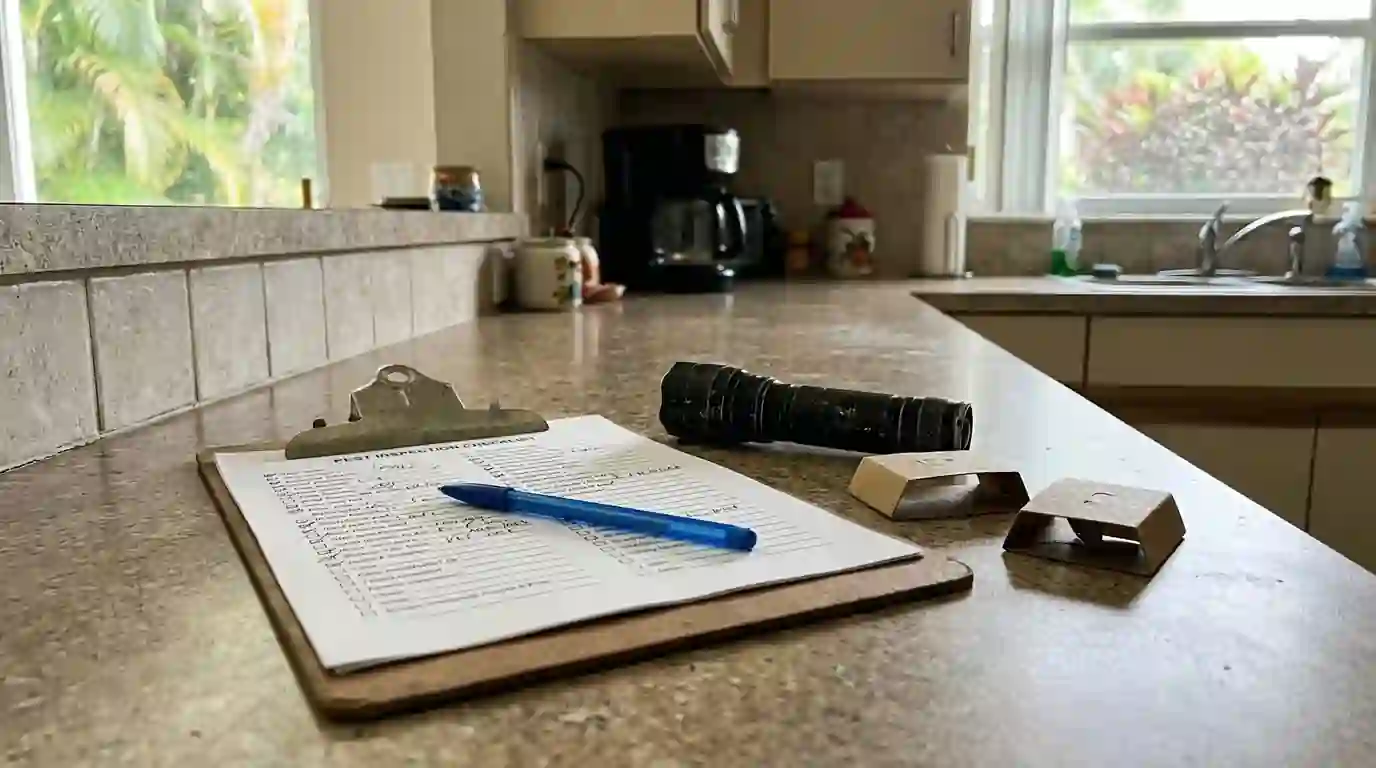
In Tampa, published Florida figures put a one-time general pest treatment at $150 to $400 per visit, while a quarterly plan for a 2,000 square foot home runs $400 to $800 a year. A single visit suits a one-off problem or a move-in. With warm weather all year and nearly 50 inches of rain, recurring roaches and ants usually make a quarterly plan cheaper over time.
The published numbers for one visit and for a plan
Florida cost guides put a one-time general pest treatment at $150 to $400 per visit. The same source lists a quarterly general pest plan for a typical 2,000 square foot single-family home in Tampa at $400 to $800 a year, which works out to individual quarterly visits of $100 to $200 each. A Florida pest company that published its own figures lists quarterly visits at $100 to $250, depending on property size and how bad the problem is.
National figures show the same pattern by frequency: one-time $300 to $550; initial visit $150 to $300; quarterly visit $100 to $300; monthly visit $40 to $70. Across every source, the per-visit price for a single treatment sits above the price of a visit inside a plan, mostly because the first visit does more work.
These are planning ranges from published guides, not our quotes. Your price depends on the house and what we find, and you hear it before any work starts.
Why a first visit costs more than the ones after it
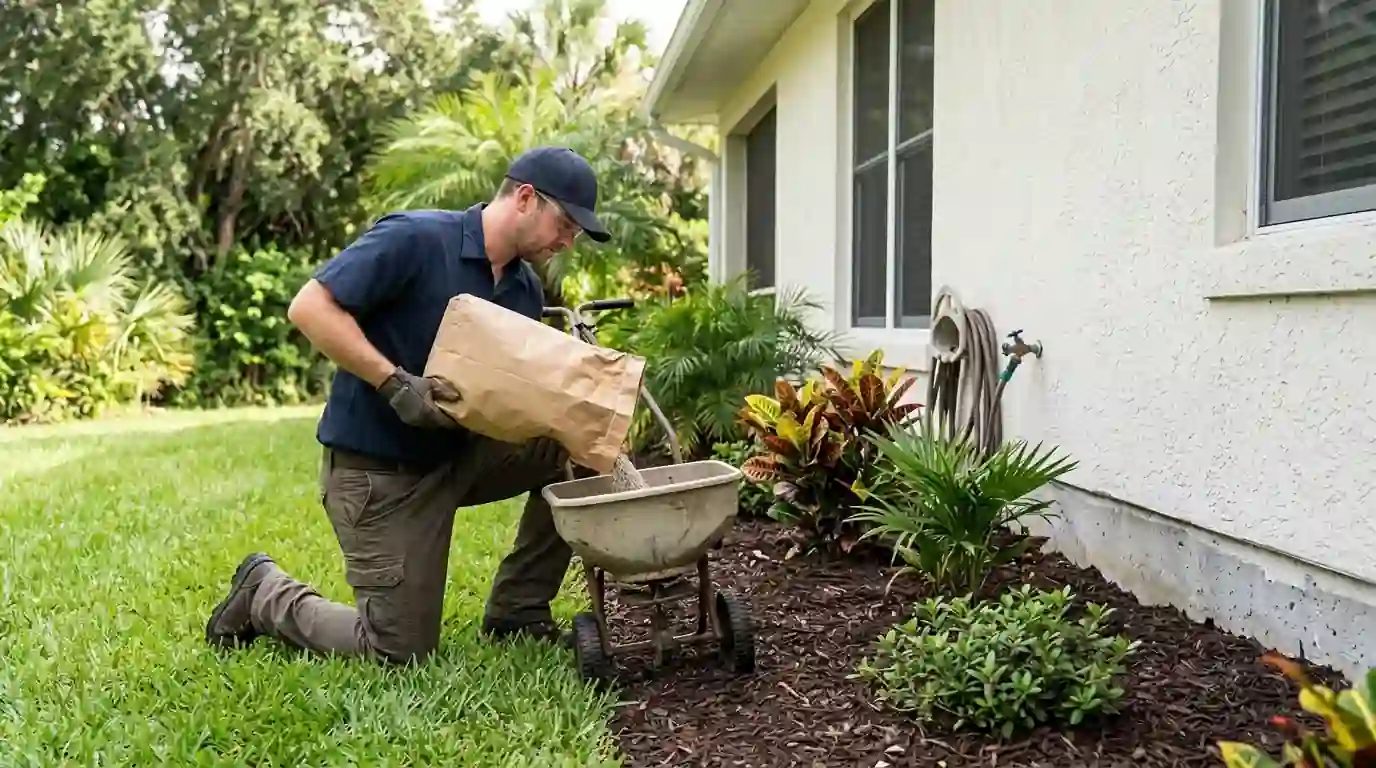
The first visit is where most of the labor goes. The technician inspects inside and out, finds where pests are living and getting in, treats the foundation, eaves, garage and beds, places baits indoors where they are needed, and knocks down webs and nests. On a house that has never been treated, or one with an active problem, that can take a good part of the morning.
Later visits maintain what the first one built. The perimeter is refreshed, bait stations are checked and refilled, and any new activity is handled. Less time per visit is why a quarterly visit usually costs less than a one-time treatment, and why a plan often starts with a higher-priced initial service.
Weighing one visit against a plan? Talk it through with us any hour.
Call (813) 471-5363When a one-time treatment is the better buy
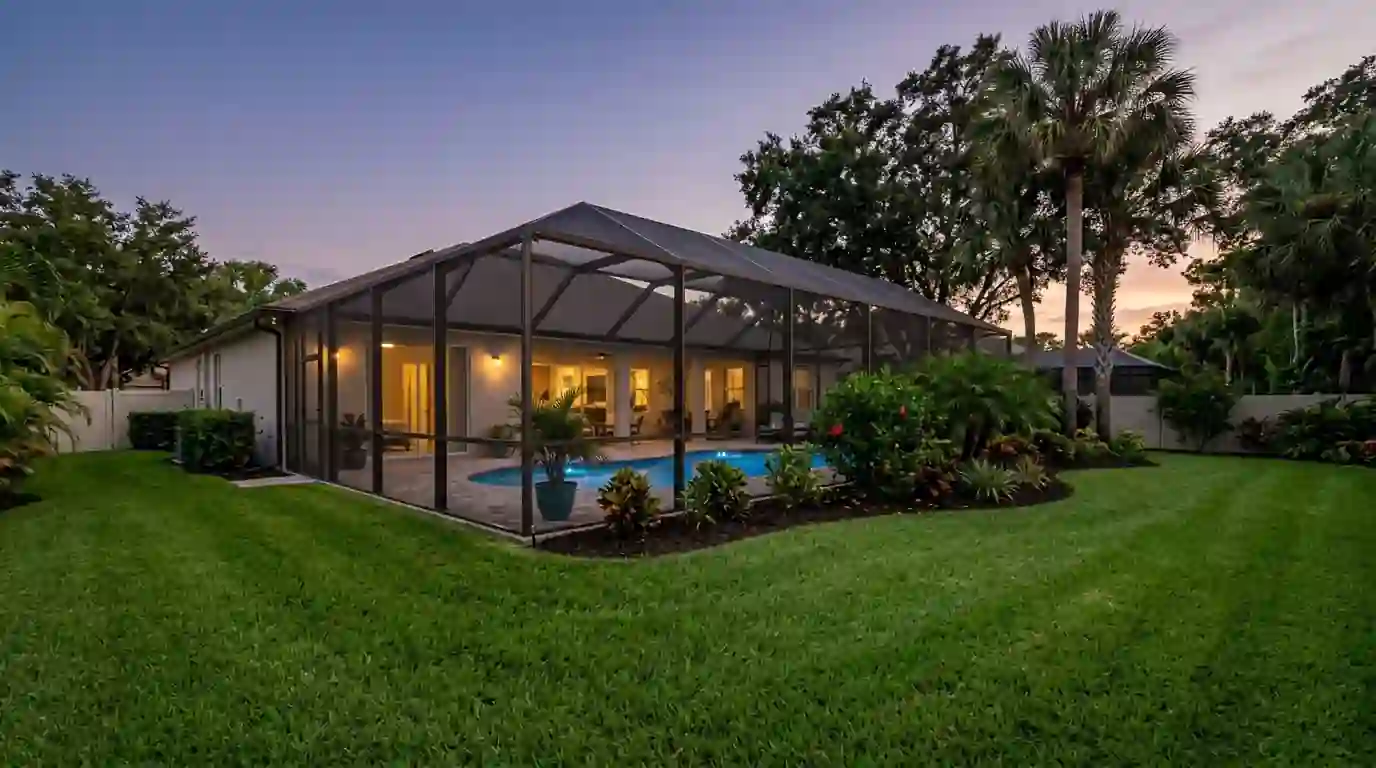
A single visit makes sense when the problem is limited and unlikely to come back on its own. Some examples: a move-in treatment before your furniture arrives, a burst of ants after a storm, a wasp nest by the front door, or getting a rental ready between tenants. It also fits if you plan to sell soon and just want the house clear for showings.
Ask what a single visit includes and what happens if the pests return in a few weeks. With a one-time treatment, a return visit is often a new charge, so it pays to know before you book. Our general pest control page explains how one-time and plan visits differ.
One caution: a one-time visit is not the right tool for a German cockroach population breeding in the kitchen. That job needs follow-up visits by design, so price it as a short program, not a single stop.
Why Tampa's weather keeps bugs coming back
Tampa does not get the long cold stretch that slows insects down further north. National Weather Service normals for 1991 to 2020 put the city's annual mean temperature at 74.5 degrees, with July and August highs around 91 and lows around 77. Insects that would go quiet for months elsewhere keep feeding and breeding here most of the year.
Rain does the rest. The same normals show 49.48 inches a year, with August the wettest month at 9.03 inches and June, July and September not far behind. Heavy storms flood ants out of the soil and push roaches out of mulch and drains, and they head for higher, drier ground, often the house.
Roaches are the clearest case. Florida has seven common home cockroaches, and the four large ones, called palmetto bugs, breed outdoors in mulch, pine straw, palms, sewers and garages and wander inside. A single treatment knocks them back, but the outdoor population keeps producing new wanderers, so the perimeter needs refreshing on a schedule. Read more on palmetto bug control.
Ants follow the same pattern. Most household ants rebuild from colonies hidden in the yard, the mulch and the walls, so a regular schedule with baits works better than a spray after each invasion. Our ant control page goes through the species and the baits.
What moves the price up or down
Size comes first. A larger house has more foundation, more eaves and more rooms, and the published figures for a quarterly plan are based on a 2,000 square foot home, so bigger homes land higher.
The pest and how far it has spread come next. Palmetto bugs at the doors are a routine perimeter job. German roaches through a kitchen, ants nesting in several walls or a heavy flea problem take more time and more visits.
The yard and the building count too. Dense beds against the walls, a screened pool cage, a detached garage or a shed all add ground to cover. For a business, the type of space matters most: a restaurant kitchen, a medical office and a warehouse each need different work and different documentation, which our commercial pest control page explains.
Ask for every price to show what is included: the number of visits per year, whether return visits between scheduled services are covered, and what is treated inside versus outside. Two quotes with very different numbers sometimes describe very different work.