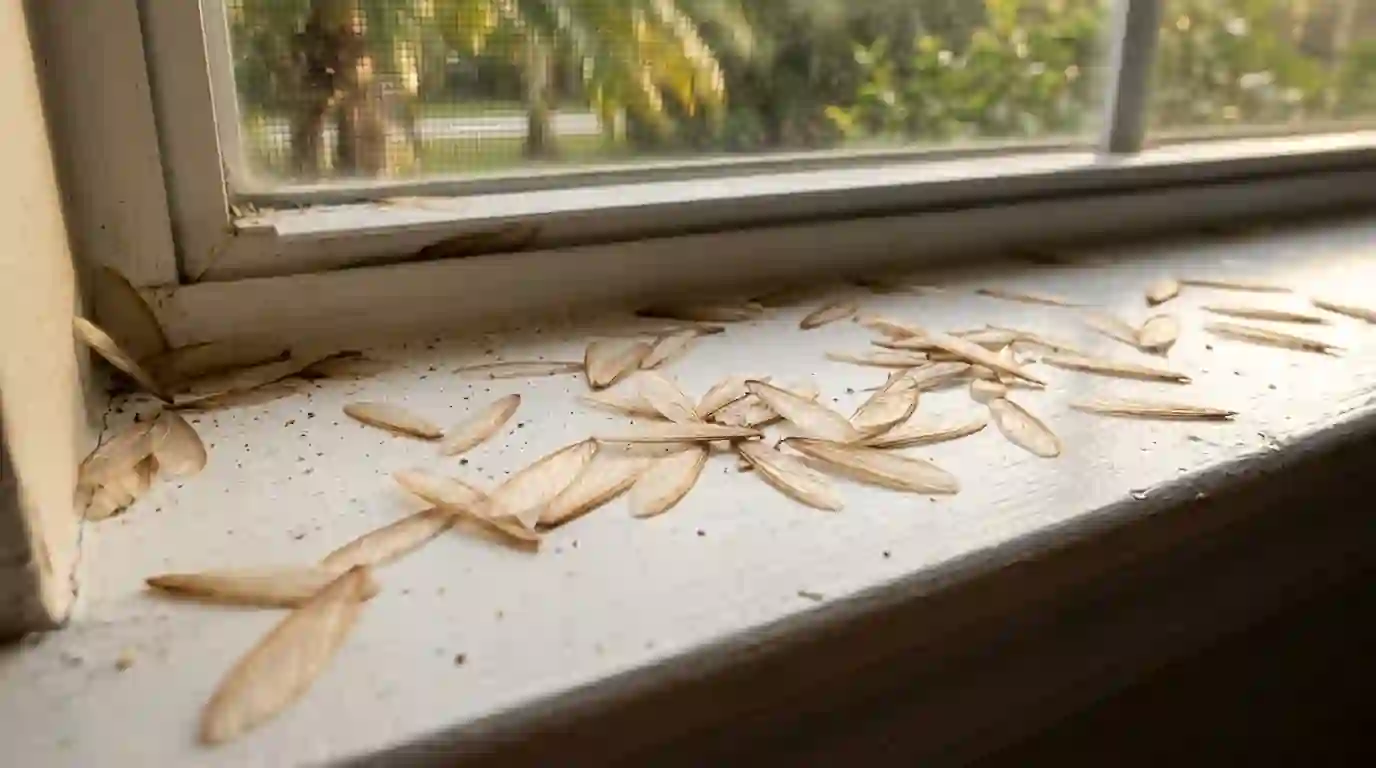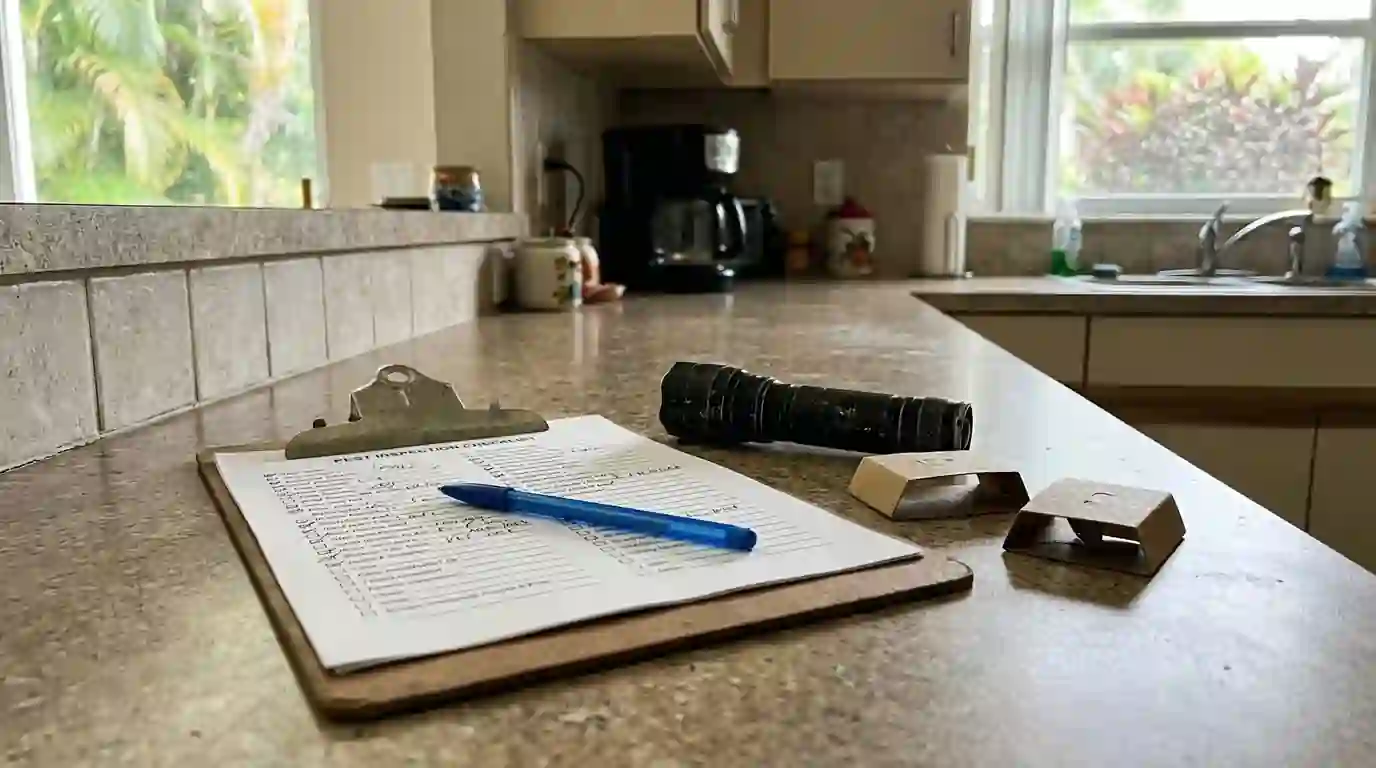
A Florida WDO inspection, the termite letter in a home sale, is reported on FDACS form 13645 under Rule 5E-14.142. It covers termites, powder post beetles, old house borers and wood-decaying fungi in the areas that were visible and accessible that day. It lists what was blocked from view, and it is not a structural damage report.
What form 13645 is, and which pests it covers
WDO stands for wood-destroying organisms. In Florida, the inspection report for a real estate sale is a standard state form, FDACS form 13645, the Wood-Destroying Organisms Inspection Report, set out under Rule 5E-14.142 of the Florida Administrative Code. Every company fills in the same form, so a buyer, a seller and a lender are all reading the same layout.
The form covers four groups: termites of every kind, powder post beetles, old house borers and wood-decaying fungi. That last one surprises people. Wood rot from a long-running leak is on the list because it weakens wood the same way insects do, and a soft sill under a sliding door can end up on the report even when no insect is involved.
The findings separate three things that are easy to blur together: live insects seen that day, evidence of past activity such as wings, droppings, exit holes or tubes, and visible damage. A report can show old evidence with nothing live, which usually leads to a different conversation than live termites in the garage.
What a WDO report does not tell you
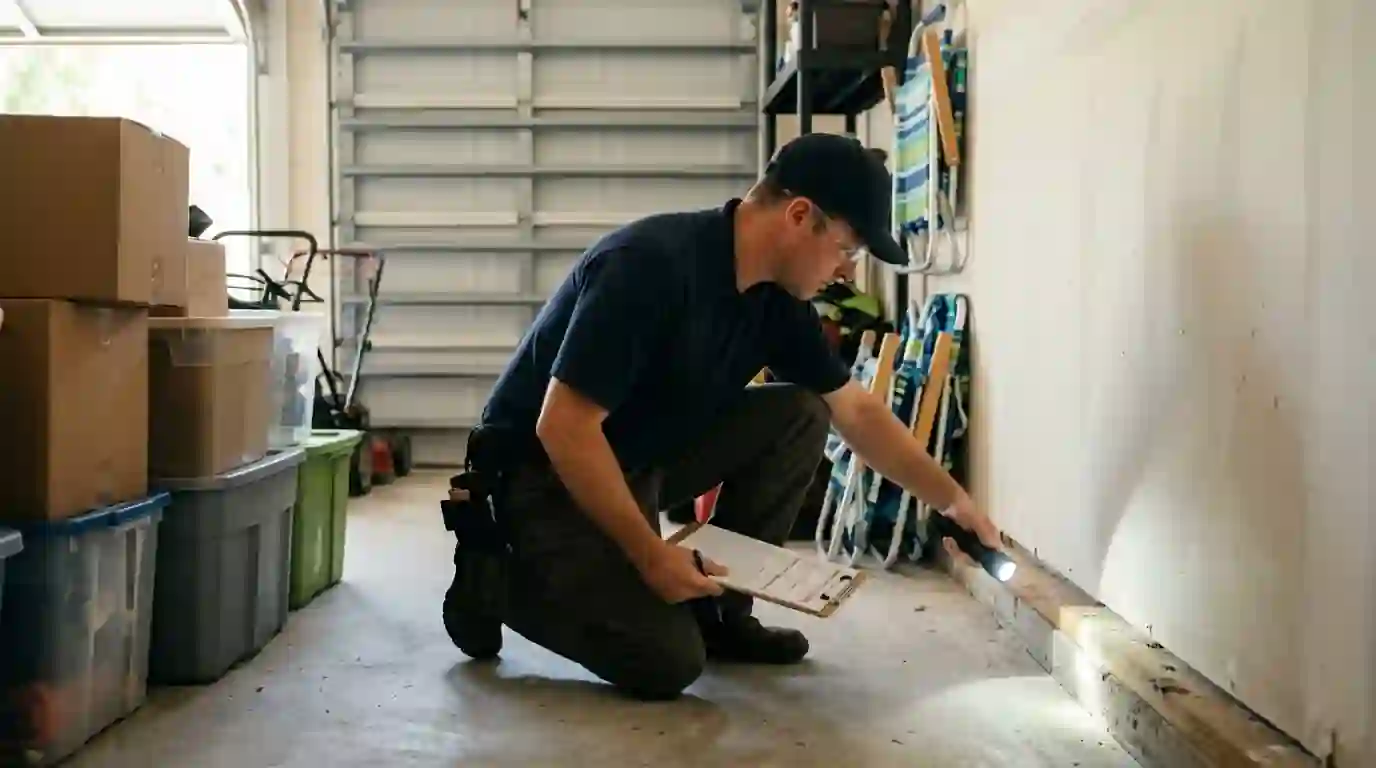
The report covers only the areas that were visible and accessible during the inspection. Stored boxes against garage walls, a finished ceiling, a floored attic, insulation piled over the framing, a dropped ceiling or thick shrubs against the stucco all hide wood. The form has a place to list those obstructed areas, and the list deserves as much attention as the findings above it. A clean report on a packed garage tells you about the parts that could be seen, not the parts behind the boxes.
It is also not a structural damage report. The inspector notes visible damage and where it is, but does not measure how deep it goes, whether a beam still carries its load or what a repair will cost. If damage is noted, a contractor should open it up and judge the wood.
Finally, a report describes one day. It is not a promise about the future, and new swarmers can arrive the following spring.
Need a termite letter for a closing? Call, phones are answered 24/7.
Call (813) 471-5363Buyer, seller or lender: who orders it and why
Buyers usually order the inspection during the inspection period in the contract, and the report goes to the buyer and the agents. The question a buyer is really asking is simple: is there live activity or damage I should price in before I commit?
Sellers sometimes order a pre-listing inspection to find out first. A seller who learns about a drywood colony in a door frame two months before listing has time to get a spot treatment and paperwork in hand, instead of negotiating under a deadline. The buyer may still order a separate report, and that is normal.
Some lenders and refinance files ask for a WDO report as well. The form is the same; only the person asking for it changes. Tell us who the report is for when you book, so it is addressed correctly and goes to the right people.
New homes and the termite certificate behind the permit
Brand-new houses come with different paperwork. The Florida Building Code, 8th Edition (2023), Section R318.1, requires preventive termite protection on new homes, by one of three methods: a registered soil termiticide, a bait system or a wood treatment. The pest company that did the work issues a Certificate of Compliance stating that the building received a complete treatment against subterranean termites.
In Tampa that certificate is uploaded to the permit record, and it has to be approved before the city issues a Certificate of Occupancy. For a buyer, the practical step is to ask the builder or seller for a copy and note which method was used. A soil treatment, a bait system and a borate wood treatment each call for different follow-up, and a bait system only protects the house while someone is checking the stations.
Keep in mind that the certificate and a WDO report answer different questions. The certificate says the house was treated against subterranean termites when it was built. A WDO report says what an inspector could see on one particular day. The certificate speaks only to subterranean termites, and drywood swarmers fly in and land on the wood itself, so even a fairly new house can turn up a pellet pile in the trim.
What an inspection costs, and how to prepare the house
Published Florida figures put a standalone WDO inspection at $75 to $200. National figures for a termite or wood-destroying insect inspection run $100 to $290. Size, attic access and whether the report is needed fast all play into it, and you hear the price before the appointment is set.
A little prep helps the inspector see more and shrinks the obstructed-areas list. Clear a path to the attic hatch and the water heater. Pull stored boxes a foot or two away from the garage walls. Leave side gates and sheds open, and move anything stacked against the outside of the house. If you already know about a leak, an old treatment or a spot you are worried about, say so at the start.
At the end, the inspector posts a Notice of Inspection at the house, and the report records where it was posted, so the next person can find it. Ask for a walk-through of anything noted so you understand the report before it goes to the other side.